%20(no%20fill-%20cropped).png)
Watermelon Snow: Science, Art and a Lone Polar Bear - by Lynne Quarmby
- arianacahn
- Mar 20, 2021
- 2 min read

I foolishly thought I was leaving book reports behind in grade school. Never again was I going to have to read a book and write all about the imagery and similes hidden within it. I was finally just going to get to read for pleasure and go about my business....
WRONG.
To be clear - I don't have to write about this book. But I think it's really important that I do.
Why?
Because it's an important book! Because I want to amplify the author's voice to greater audiences. Because climate change is here - it is real and it's scary and we have to do something about it.
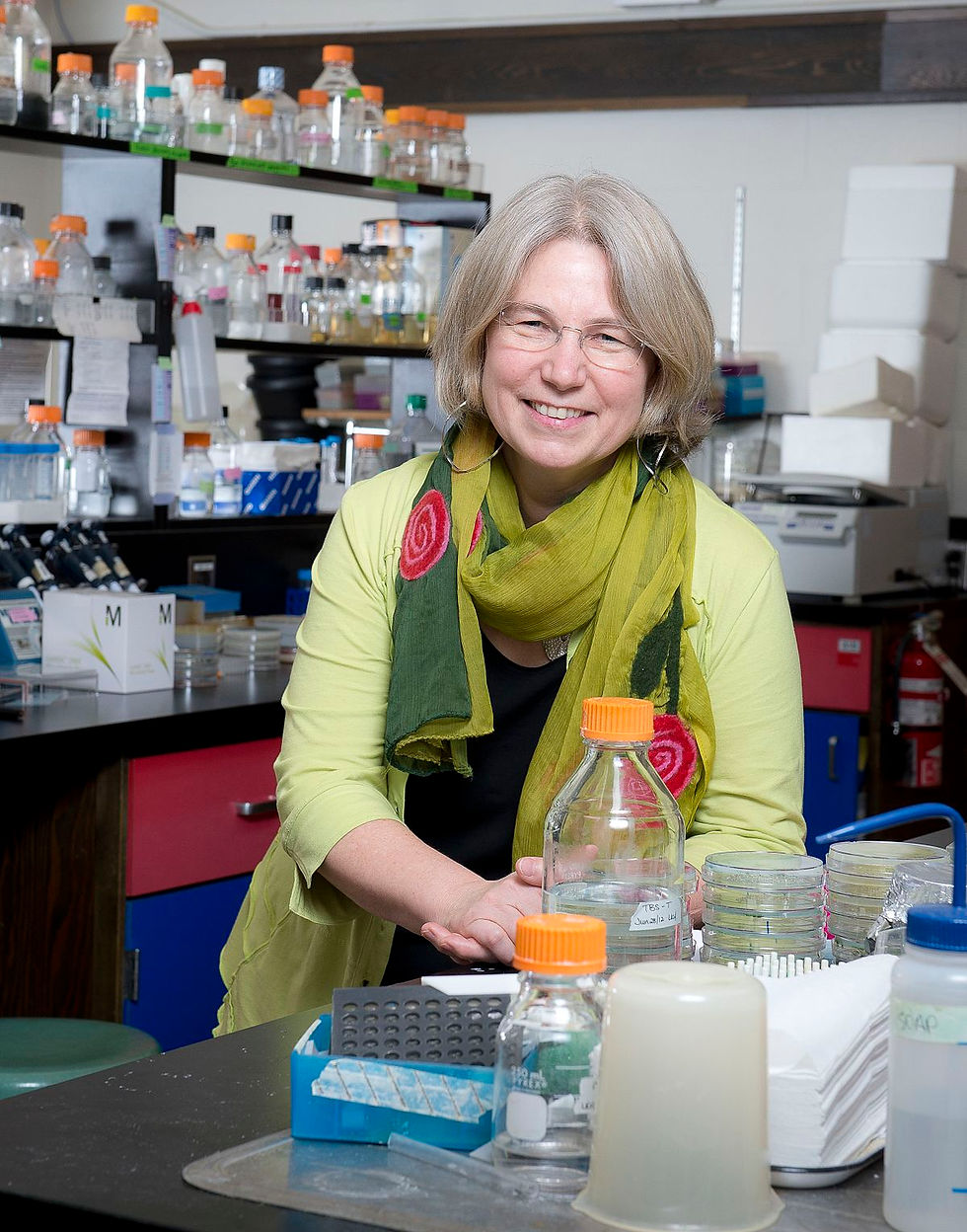
To start, a little background on the author: Dr. Lynne Quarmby is a cell biology researcher and professor at Simon Fraser University in British Columbia, Canada. Her research focuses on green algae living in the snow of the surrounding mountains; specifically the mechanisms behind the production of a red pigment, hence the name "watermelon snow", reducing the snow's ability to reflect light and heat. This pinkish pigmentation increases local temperatures and thus hastens the melting of surrounding snow and ice. A strong advocate of the environment, Dr. Quarmby ran as a candidate for the Green Party of Canada to boost her climate-saving efforts nationally. She unfortunately was not elected, but this did not stop her drive to save the planet.

Photographs of watermelon snow. This pigmentation reduces the snow's ability to reflect light and heat back into the atmosphere, causing local warming and increased melting.
Her book, Watermelon Snow, is a recount of her adventures aboard the Antigua, a sailing ship in the global north, around the ice floes of Svalbard. Upon this excursion, Dr. Quarmby's aim was to locate samples of watermelon snow in the arctic, hoping to further study this single-celled species' effect on climate change. Aboard the ship, Quarmby befriended a cohort of artists documenting the physical manifestations of climate change in the arctic: masses of melting ice, emaciated polar bears - to include in their installations, bringing to light how this disaster is affecting us all. While she felt out of place as the lone scientist, Lynne discovered the important intersections of art and science, and the place of humans of all backgrounds in the climate disaster.
Peppered with memoirs of her life, Watermelon Snow is a wonderfully written account of a scientists' journey to reignite passion for her work, fight the climate change crisis, and alert us all of its devastating effects. I highly recommend this book to all readers with an interest in science and the environment.. in fact, I recommend it for everyone because climate change affects us all!



Comments